“The Picture of Dorian Gray” is not only a tale of vanity gone sour. It also serves as an exploration of homoerotic subtext, giving us a glimpse into the inner life of the author, Oscar Wilde.
Who Was Oscar Wilde?
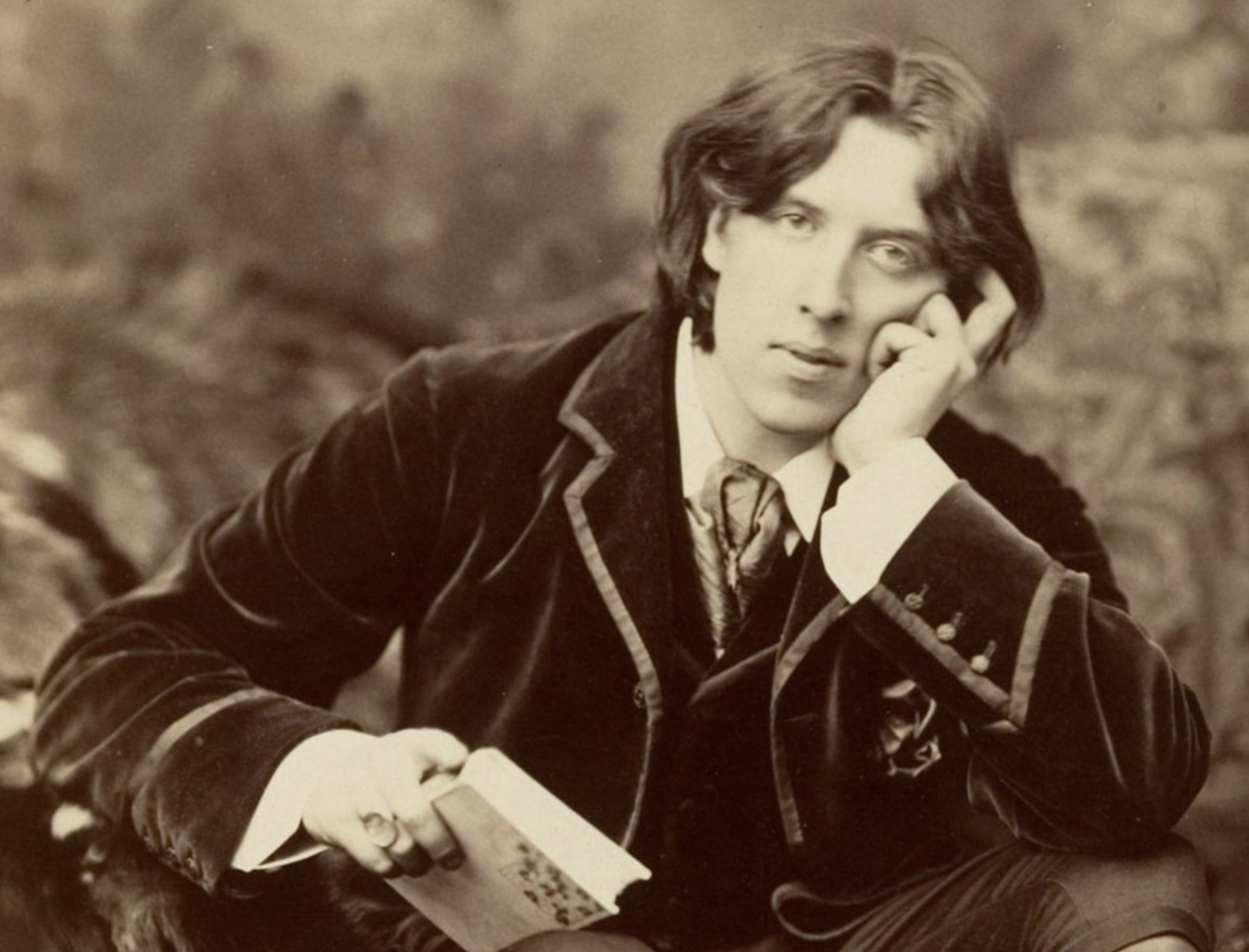
Oscar Wilde was a novelist, poet and playwright from Dublin, Ireland. Wilde was best known for his wit and for championing the aesthetic movement—“art for art’s sake.” He is also well known for his only published novel, “The Picture of Dorian Gray”, as well as his play “The Importance of Being Earnest”.
His life was cut short after he was imprisoned for “gross indecency”, a charge under British law that was used to criminalize homosexuality. Wilde lived in exile and died in 1900 at the age of 46.
The Novel’s Role in Wilde’s Trial
Wilde’s novel, “The Picture of Dorian Gray”, was first published in 1890 and sparked controversy almost immediately upon its arrival. Once it was available to the public, the 9th Marquess of Queensberry, John Douglas, left a calling card for Wilde. Douglas accused him of being a “sodomite” for having written the novel at all.
Wilde could have ignored Douglas’ words. No one had read the card besides Wilde himself and the messenger who delivered it. But the language Douglas used was too inflammatory for Wilde to bear. In response, Wilde sued John Douglas for libel on Feb. 20, 1895.
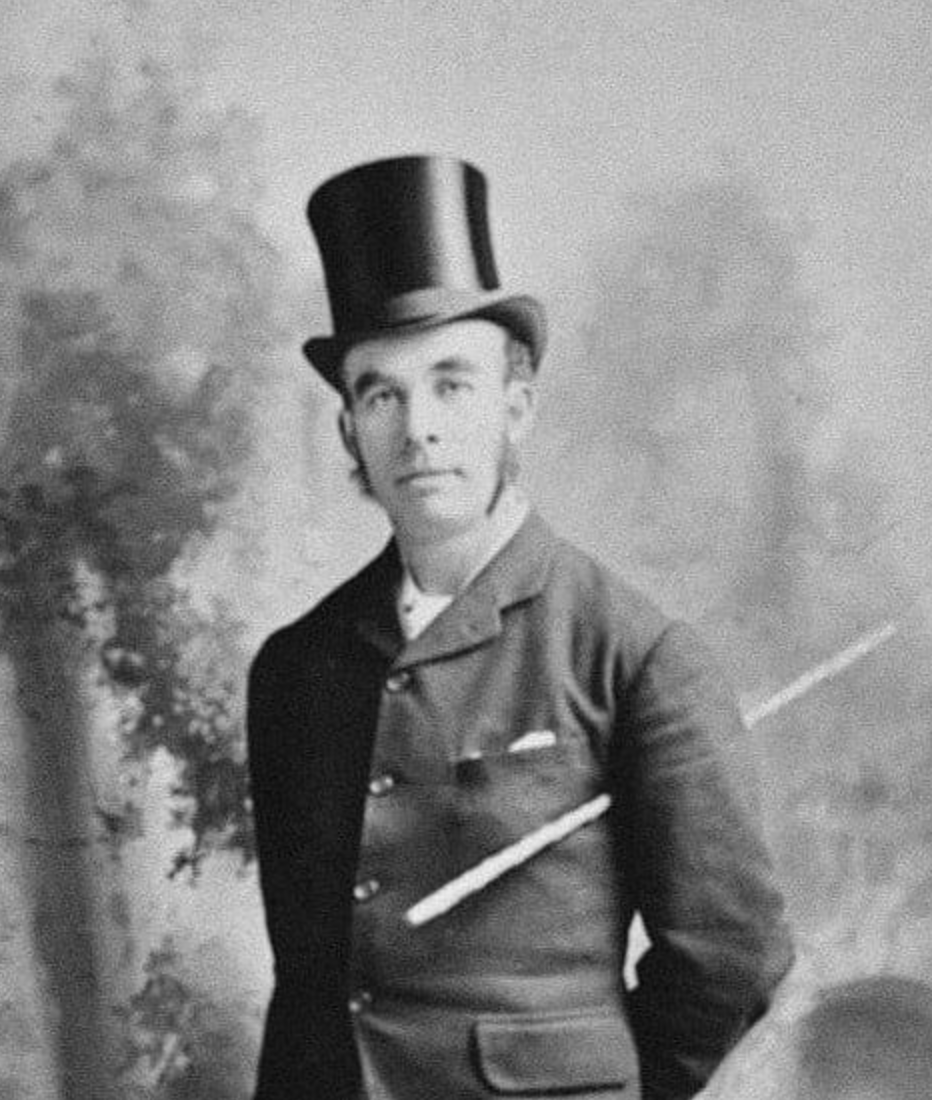
He decided to publicly deny the claims.
What Wilde would soon discover is that what he had written inside “The Picture of Dorian Gray” would greatly influence the public’s perception of his private life. Many readers believed the book to be an expression of same-sex desire, resulting in censorship and bans in many English-speaking countries until the 1930s.
Gay identity in the novel
The love triangle that is woven throughout “The Picture of Dorian Gray” can be quite difficult to keep pace with. Basil is obsessed with Dorian, Dorian loves Lord Henry and Lord Henry is enamored with them both. Sibyl just exists (until she doesn’t). Even so, I will attempt to unpack the relational dynamics in this literature for your ease of understanding.
Basil is the painter who falls in love with Dorian the moment he meets him. He tried as best he could to keep Dorian from his beloved “friend”, Lord Henry. But one day, while Basil was confiding in Lord Henry while sitting together in his garden, Lord Henry became curious about Dorian.
Basil couldn’t bear the thought of Lord Henry falling for him as well.
As Basil suspected, upon meeting Dorian, Lord Henry undeniably loves him. He seems to adore Dorian’s youth, malleability and naivety. While Dorian initially found Basil to be a fast friend, Lord Henry appears to sweep him off his feet with his hedonistic outlook on life.
Yet, within a matter of months, Dorian develops an attachment to Sibyl Vane, a local actress. Short-lived as it was, it was passionate and interrupted Dorian’s relations with Basil and Lord Henry.
Unfortunately for this love story, only one of the four aforementioned characters walks away living. The genius behind the novel didn’t get away unscathed either.
But Wilde didn’t pass away before sacrificing everything to leave us with the work of art that is “The Picture of Dorian Gray”.
If you would like to dive into this enrapturing gothic horror for yourself, visit the link below.