Consuming massive amounts of information, but not gleaning the knowledge for ourselves, is killing our capacity to learn.
I still remember the day my 65-year-old dad told me, “You don’t even realise how lucky you are. Back in my day, we had to find the right book in the library to learn anything. All you need are your two thumbs and that little machine.”
To me, it was just another “back in my day” story. To him, and an entire generation of baby boomers, it was an inconvenient reality. One that absolutely fascinated me.

A very dusty row of encyclopedias lined the shelves of our massive bookcase. Once I was old enough to begin reading, I would often pick a letter of the alphabet that interested me and pull its corresponding book off the shelf to the floor.
“Avalanches. Architecture. Astronomy.”
My finger followed each foreign word, soaking in every ounce of information its description offered. I did the same with our dictionaries and yearly “Guinness World Records” books. Do you want to know the longest fingernails grown in the year 2009? No, neither do I.
But I learned it regardless.
For the longest time, I preferred this over my dad’s instruction to “Google it” when I wanted to know something. If I truly wanted to know it, I found it. Regardless of the time it took and the toil I went through to push past the hundreds of pages of information, I sought it out myself until I learned what I wanted to.
Fast forward to the present day, and the idea of an encyclopedia itself is foreign to most. What once was a prized possession of the home and a symbol of prestige is widely considered outdated. Its replacement is now a simple Google search.
Generative Artificial Intelligence costs no shelf space, page flipping or an initial investment for the average user. All it requires is a general idea of how to pose a question and an internet connection.

By relying on generative AI to “learn”, we are actually decreasing our cognitive abilities. We say goodbye to the dopamine hit of finding information we’ve searched for ourselves. The real catch? One study conducted across three universities found that we do not even retain information that we find through an internet search. Since the information can be easily found and outsourced, our internal memory says, “Wow, that took no effort. We don’t really need to remember this.”
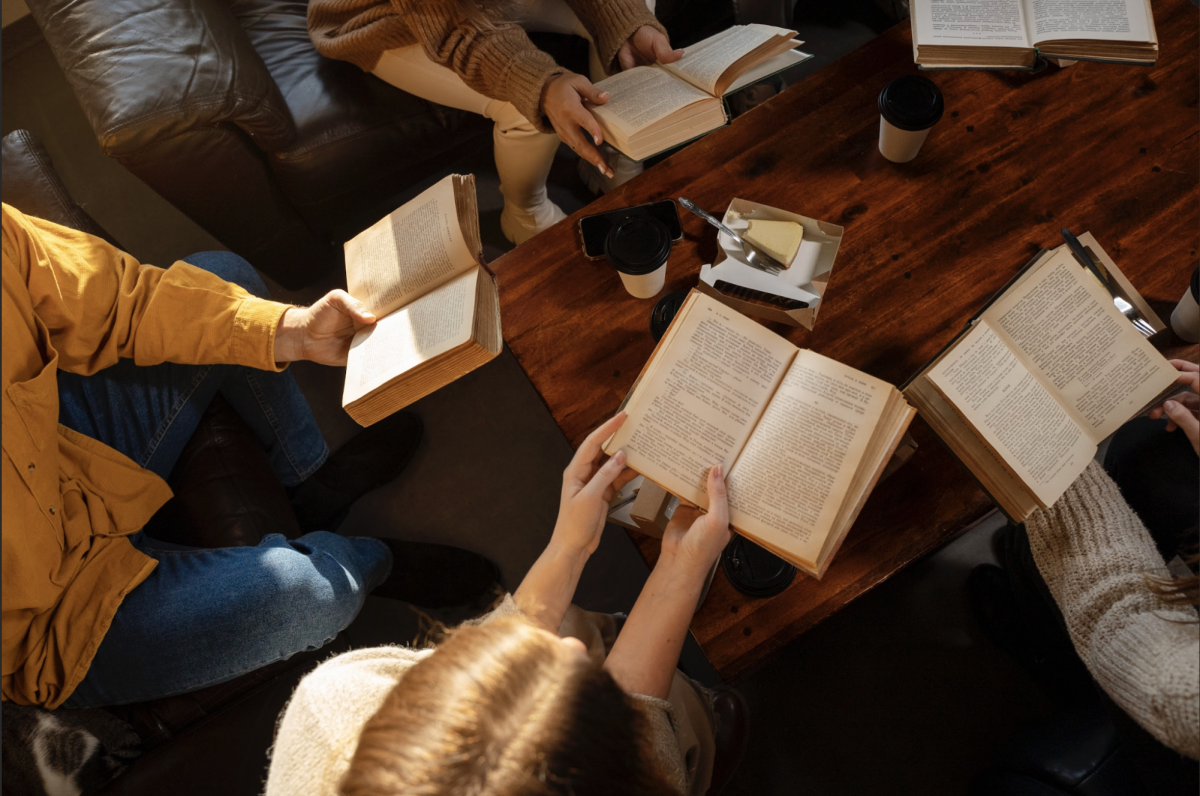
Whereas that same study found that information retrieved through books, notetaking or verbal lessons sticks in our memories. This means the more we fast-track information retrieval, the less we will truly know and remember.
What is the solution?
When everything is quick and instantaneous, it becomes meaningless. On the flip side, when everything slows down and requires patience, it creates lasting memories and impact. The Gen Z term for this is “slowmaxxing”.
Yes, switching from fast-tracking everything to slowmaxxing will feel like lifting 50 pounds after being sedentary for decades. But many studies show that neuroplasticity grows as you do things that are difficult and rewarding.
So go outside, buy a book and begin growing the grey matter in your brain. Try to set aside ChatGPT just for this week, and begin creating a meaningful archive of knowledge and experiences.