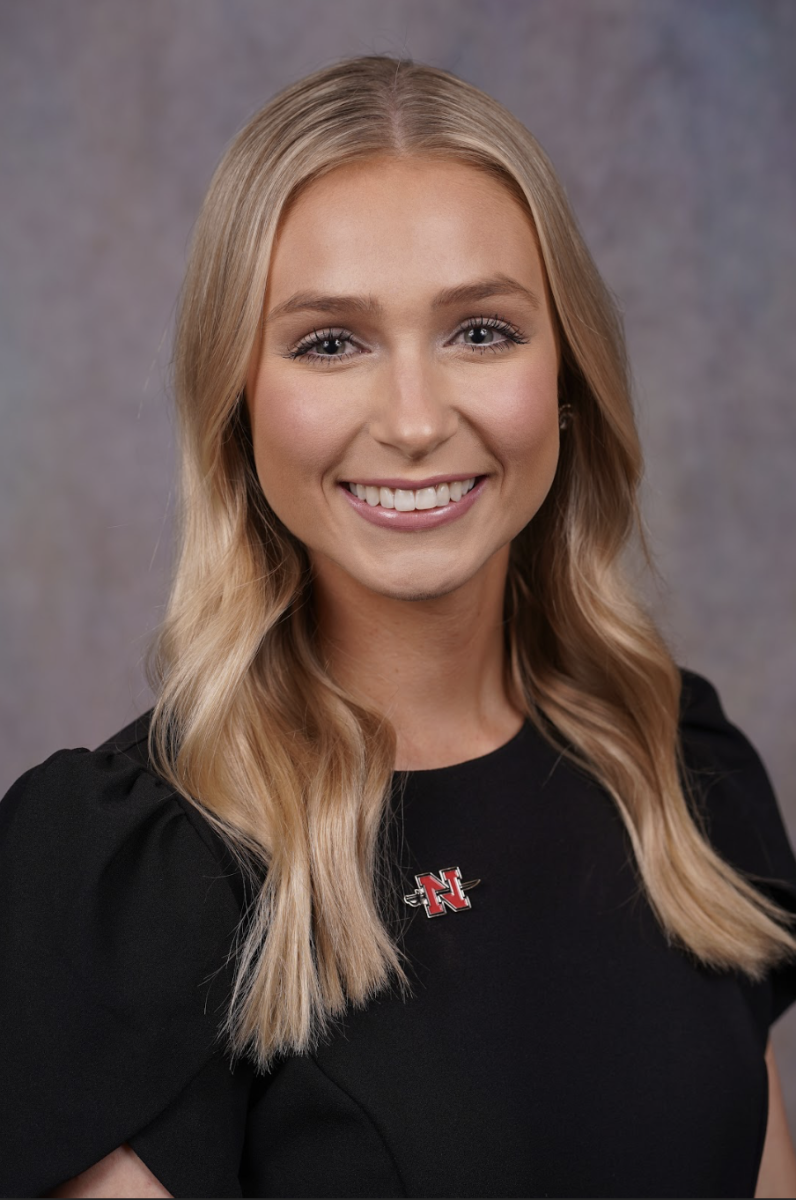
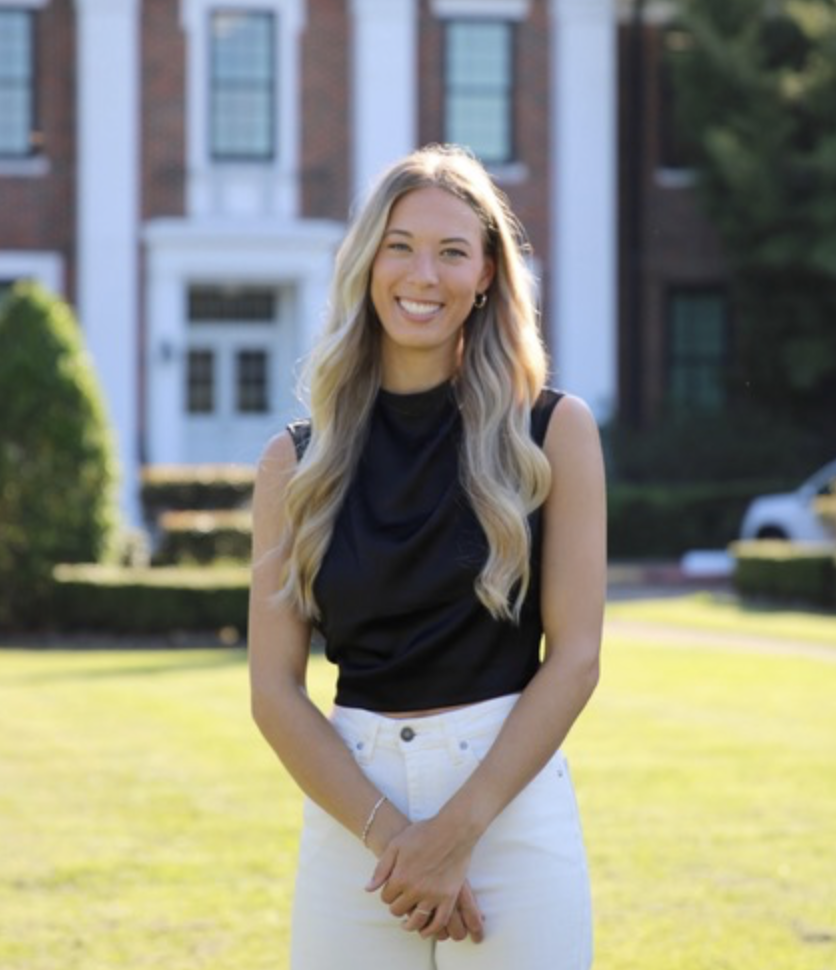
Jewel Bush arrived on Nicholls’ campus in the fall of 1996 as a psychology major, but she quickly found herself drawn to the world of mass communication.
Her interest in writing naturally led her to The Nicholls Worth, where she fell in love with news.
“I remember how excited I was to be a part of it,” Bush said. “It was a space where you learned how to ask questions, how to listen and how to take what people shared with you and make it matter.”
Bush, who has since gone on to build a career in journalism and communications, still looks back on her time at the Worth as foundational — a place where she discovered her purpose and voice.
“I didn’t know at the time, but I was developing skills that would stay with me forever,” she said. “Learning how to tell stories, how to meet deadlines, how to collaborate — all of those things started there.”
From the Newsroom to the World Beyond
During her time at Nicholls, Bush said the student newspaper gave her a sense of responsibility and community. She recalled how her editors and peers challenged each other to dig deeper, to get the facts right and to make the publication something the campus would trust.
“It was serious,” she said. “We had fun, but we took pride in our work. We wanted people to read it and feel like it represented the campus, the students and the community around us.”
Bush said she quickly learned that good journalism wasn’t about having all the answers—it was about curiosity and care.
“You have to be willing to listen,” she said. “People will tell you incredible things if you really hear them.”
A Changing Industry
Reflecting on how the media landscape has changed since her days at the Worth, Bush said she’s amazed by how much has shifted—from the tools to the pace to the platforms.
“When I was in school, everything was print,” she said. “You literally held the paper in your hands. Now it’s all instant. It’s online, it’s social media, it’s twenty-four hours a day.”
But while technology evolves, Bush said the heart of the craft remains the same.
“What hasn’t changed is storytelling,” she said. “That’s still what people connect to—the human part, the emotion, the truth. You can have all the technology in the world, but if you can’t tell a story, it doesn’t matter. We have to retain our physical media. Everything can’t be solely digital.”
‘Harvard on the Bayou’
Bush smiled as she talked about her pride in Nicholls and its legacy as a place that produces hard-working, creative people.
“I always tell people I went to Harvard on the Bayou,” she said. “Nicholls is special. It’s full of talented students and professors who really care. It gave me a foundation I’ll always be grateful for.”
She said she’s proud that The Nicholls Worth continues to thrive after so many years. It’s proof that student journalism still matters and has even outlasted other mainstream news outlets.
“For 75 years, it’s been this training ground,” Bush said. “You learn discipline, you learn empathy, you learn how to think critically. Those lessons don’t go away. To know The Nicholls Worth is still there, it makes me very happy. Especially with how much of our newspapers and publications are going away.”
Advice for the Next Generation
Bush shared what she wants to tell today’s student journalists.
“Be curious,” she said. “Ask questions. Don’t be afraid to talk to people who are different from you.”
She said empathy and honesty should guide every story.
“Your words have power,” she said. “Use them to help people understand each other, to connect, to make things better. That’s the point of it all.”
Even years later, Bush said she still carries what she learned in that small newsroom in Thibodaux.
“I found my voice at The Nicholls Worth,” she said. “And that never leaves you.”