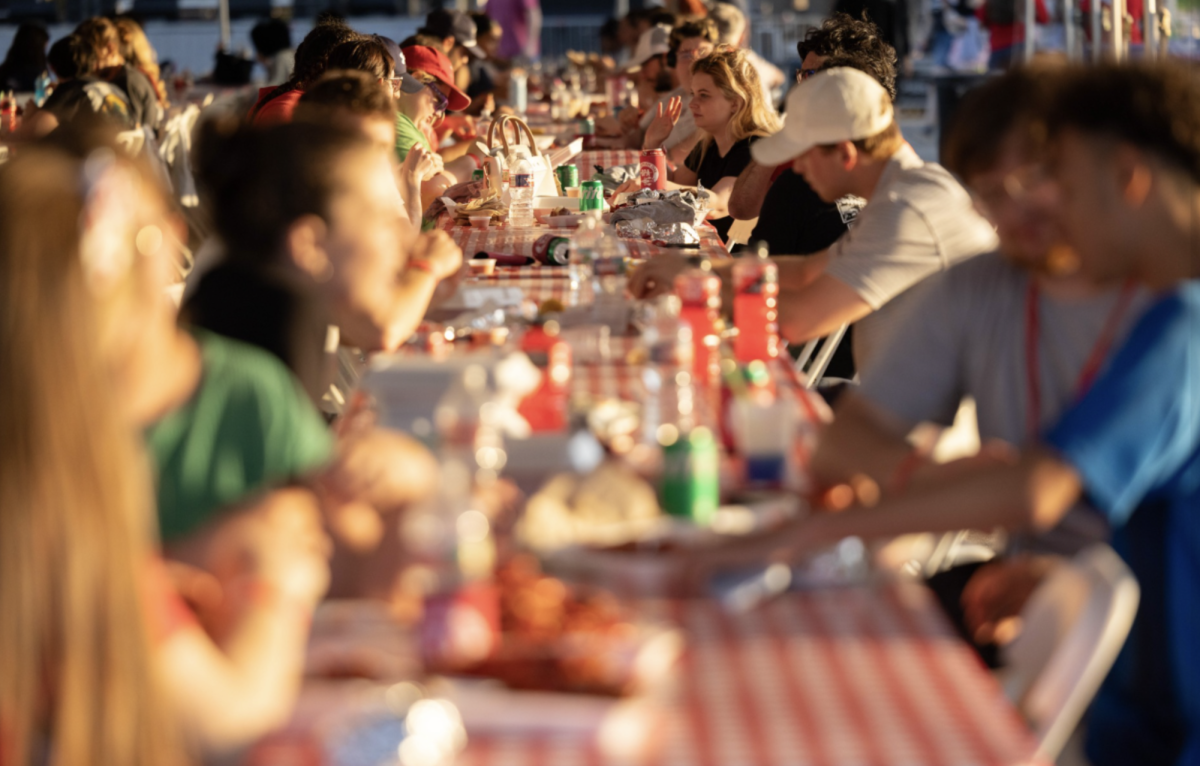
Mardi Gras is more than bead-catching and parade-watching. At its core, it is a celebration of indulgence: letting the good times roll, spending days lazing with old friends and new company and feasting on decadent Louisianian dishes before Lent fasting begins.
While we have all had our fair share of king cake (and have probably sampled every flavor imaginable, as well), it isn’t the only treat that you can enjoy along the parade route. Here are five iconic Mardi Gras snacks to enjoy throughout the season!
Mini Muffulettas
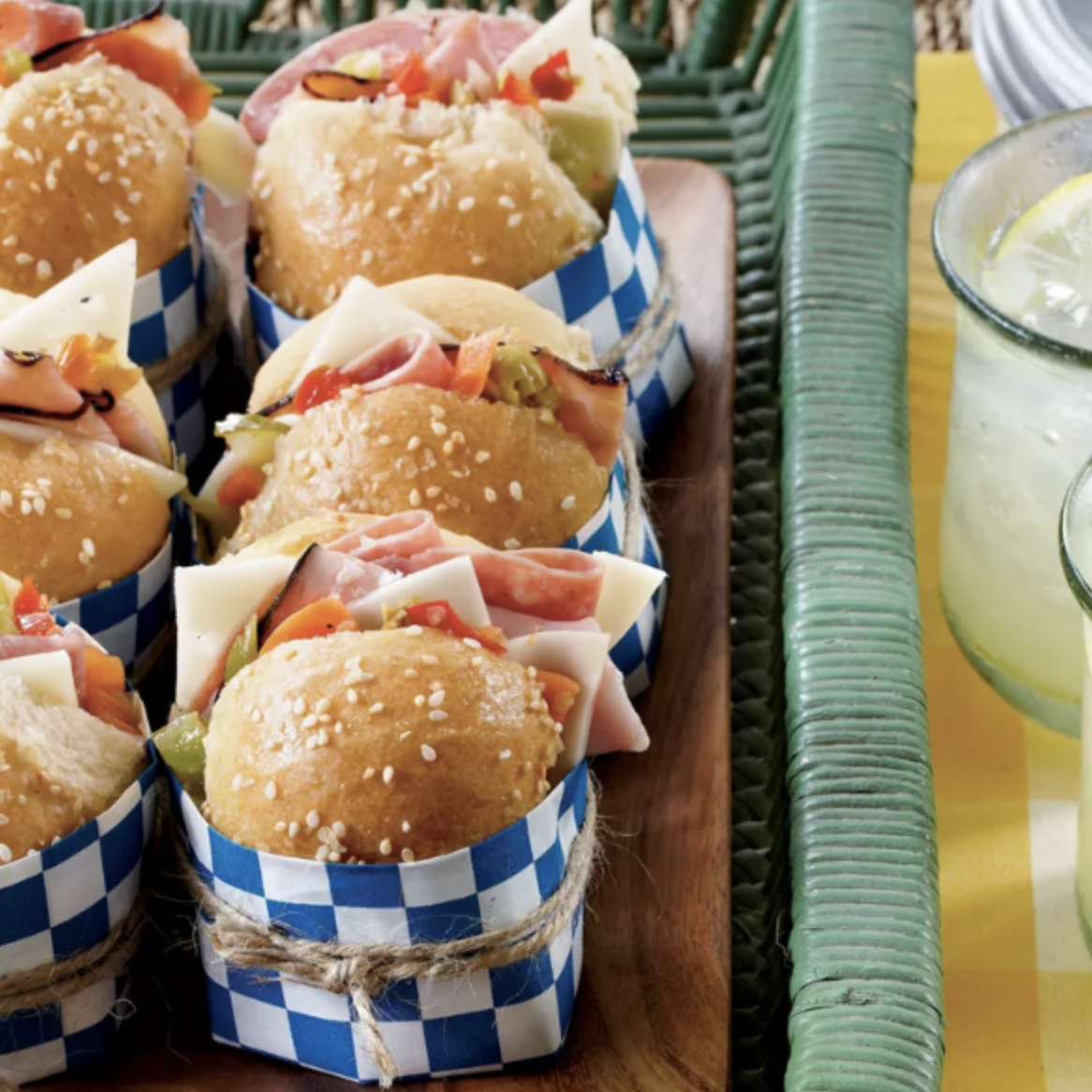
Arguably one of New Orleans’ most iconic sandwiches, the muffuletta is the product of the city’s centuries of Sicilian influence.
Sicilian immigrants first arrived at the Port of New Orleans in the late 1800s and were quick to settle in the Lower French Quarter. Several shops emerged in what would become “Little Palermo,” including bakeries, grocers and delis. Salvatore Lupo, owner of Central Grocery Store, is credited with inventing the muffuletta in 1906 after observing shoppers’ habit of eating its ingredients separately (and not without a mess).
The sandwich has hardly changed since then: just a loaf of sesame muffuletta bread with a spread of olive salad, filled to the brim with genoa salami, ham, mortadella, provolone, and Swiss cheese.
While such a large sandwich might be unwieldy along the parade routes, mini muffulettas can be prepared overnight, kept cold and easily grabbed while watching the festivities roll by.
Zulu-Inspired Coconut Shrimp
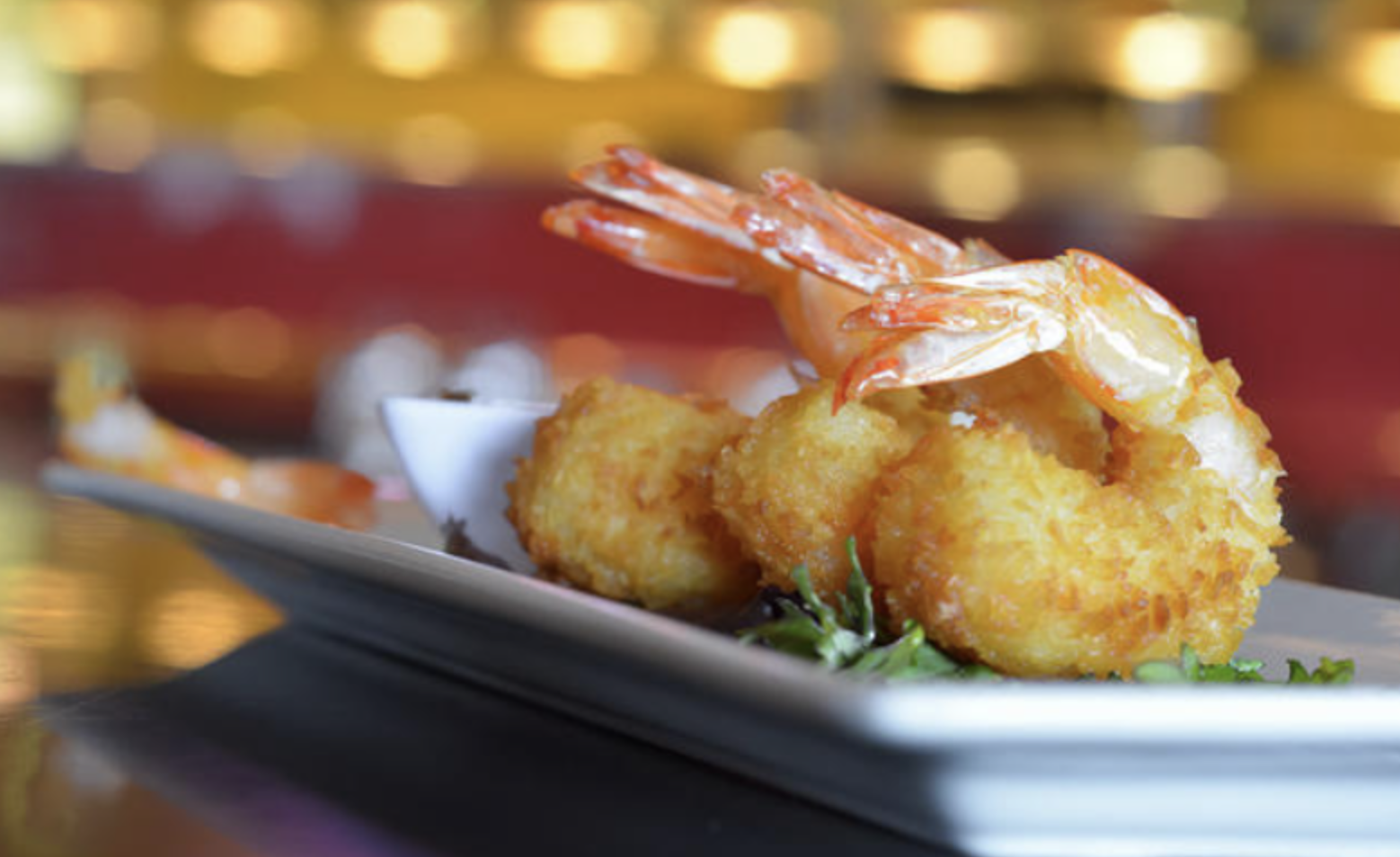
The Zulu coconut is not only a fan-favorite catch every year, but a long-standing New Orleanian tradition.
The Zulu Social Aid and Pleasure Club is a historic organization in New Orleans famous for not only its parade festivities, but its role in fostering cultural pride in the African American community. Recognizable by their grass skirts and vaudeville-esque attire, the krewe began throwing coconuts in the 1910s when riders were unable to afford glass beads. Hand-painting coconuts was a relatively inexpensive way to participate in the festivities and it has long since remained a tradition.
While coconuts nowadays are hollowed and covered in glitter, thus inedible, those looking to honor the tradition in their Mardi Gras cooking can combine shaved coconut with one of Louisiana’s largest industries to make coconut shrimp. Abundant, inexpensive, and fun, just like the Zulu coconut tradition.
Jambalaya
Jambalaya is a fusion of Louisiana’s African, Spanish and French culinary influences. Inspired by West African jollof rice and Spanish paella, introduced to French cooking techniques, and touched with a bit of Louisiana flair, jambalaya has been used to feed crowds for centuries.
While all families have different recipes, with each insisting that theirs is the best, you can’t go wrong with Chef John Folse’s chicken and sausage jambalaya in order to feed a Mardi Gras crowd.
Homemade MoonPies

Though seemingly random, MoonPies can be found on virtually every Mardi Gras float, right alongside plastic cups and doubloons.
The tradition began in the 1950s in Mobile, Ala. as an alternative to Cracker Jack boxes, another popular throw before authorities banned the snack due to the box’s sharp edges.
In an interview with Southern Kitchen, Judi Gulledge, the executive director of the Mobile Carnival Association, the MoonPie was a safe—yet equally delicious—treat to toss to waiting spectators.
“Members from a local ladies’ organization were in Chattanooga at a convention meeting and ran across some MoonPies and thought they would make a great throw. The reasoning? They are soft and have some weight to them, so when the ladies tossed them, they had some leverage. They were looking for something economical, and MoonPies checked all of the boxes.”
While you could buy a box at the store, homemade MoonPies only require a few special pantry items: chocolate, graham crackers and marshmallow crème.
Daiquiris
Last, but certainly not least, no Mardi Gras celebration is complete without a daiquiri.
While daiquiris did not originate in Louisiana and simply consist of any beverage containing light rum, fresh lime juice and simple syrup, Louisiana-style daiquiris are often frozen, blended with ice and fresh fruit and, more often than not, taste more like nail polish than a refreshing beverage.
Popular daiquiri flavors include strawberry, jungle juice and pina colada and can be found in many establishments across the nation. Drive-thru daiquiri shops, however, are part of Louisiana culture.
The Daiquiri Factory, the first drive-thru daiquiri shop, was established in Ruston, La. by then-Louisiana Tech student David Erwin. While it no longer exists, shops just like it can be found across the state.
To finish a day of celebrating and eating, there is nothing more Louisianian than washing it all down with a daiquiri poured with a heavy hand.