A series of recent U.S. policy decisions alters how the country engages with global institutions, foreign allies and domestic enforcement. The changes span issues ranging from public health and immigration to technology and college athletics.
World Health Organization Withdrawal
The United States finalized its withdrawal from the World Health Organization on Thursday, one year after announcing plans to leave the agency. The move ends America’s membership in the organization that coordinates global health responses, provides technical assistance to lower-income countries and sets international health guidelines.
Experts warn the withdrawal could slow the U.S.’s access to global disease data, complicating vaccine development and pandemic responses.
“It’s the most ruinous presidential decision in my lifetime,” said Lawrence Gostin, a public health law expert at Georgetown University.
The U.S. owes more than $130 million in unpaid dues, and officials have not finalized agreements for direct data-sharing with other countries. Scientists, pharmaceutical companies and public health agencies may face challenges in responding quickly to new health threats. (Sources: AP)
Greenland and European Alliances in Jeopardy
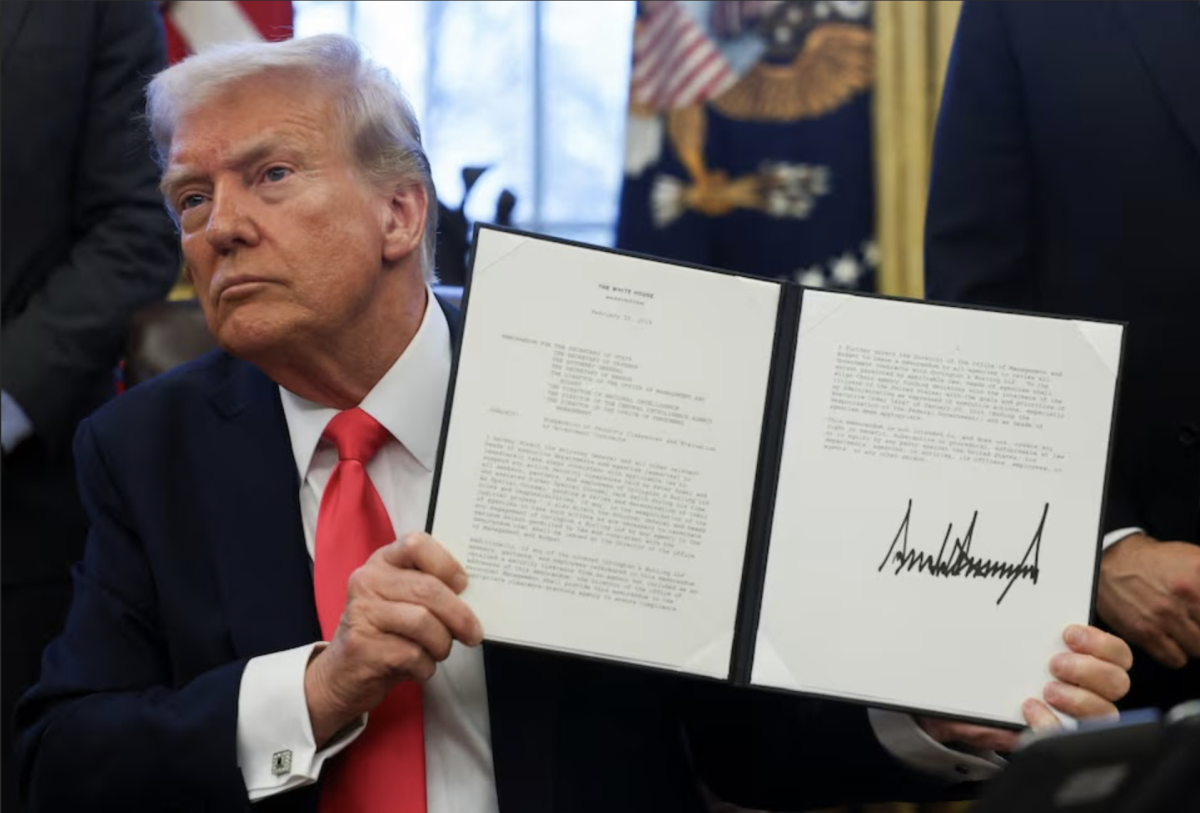
President Donald Trump’s recent visit to Davos, Switzerland highlighted tensions over Greenland. Trump said the United States would not use force to acquire Danish territory, but he has pushed for increased access and security cooperation in the Arctic, a region of growing strategic competition.

Trump’s comments came during and after his appearance at the World Economic Forum in Davos, where he said the U.S. was negotiating a “framework of a future deal” with NATO Secretary-General Mark Rutte.
European leaders have also expressed concern that Trump’s earlier threats, including proposed tariffs on several NATO countries opposed to changing Greenland’s status, damaged trust among allies.
(Sources: PBS, The Guardian, NBC)
TikTok U.S. Business Deal
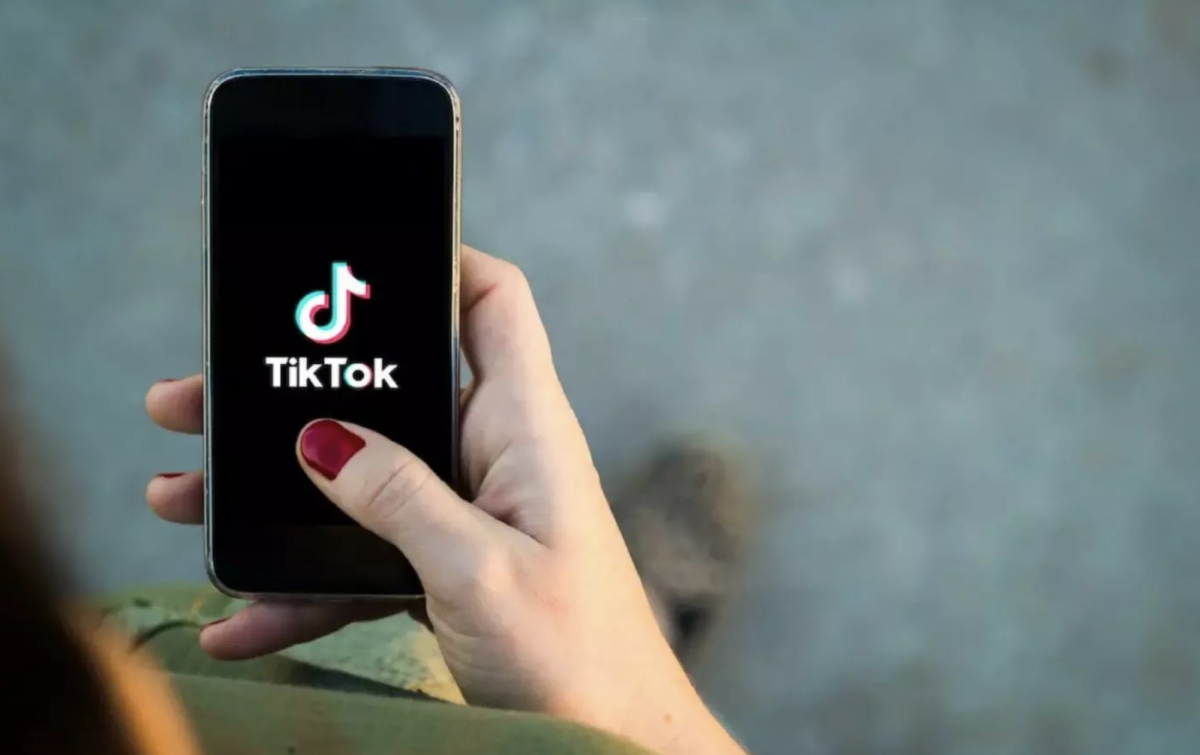
The United States and China approved a deal transferring majority control of TikTok’s U.S. operations to investors that include Oracle, Silver Lake, and the United Arab Emirates investment firm MGX. ByteDance, TikTok’s Beijing-based owner, will retain a 19.9% stake in the company.
In a statement, TikTok said the new U.S. company would “operate under defined safeguards that protect national security through comprehensive data protections, algorithm security, content moderation and software assurance for U.S. users.”
The joint venture will be governed by a seven-member board, with most members being American and TikTok CEO Shou Chew serving on the board.
The agreement ends years of political scrutiny over TikTok’s Chinese ownership, which has prompted concerns in Washington about potential access to U.S. user data and the influence of foreign governments.
The platform is widely used, with more than 200 million active American users, and the deal ensures that it will remain accessible while implementing safeguards intended to address security concerns.
President Donald Trump praised the resolution of the agreement in a Truth Social post, saying the deal had reached a “very dramatic, final and beautiful conclusion.”
(Sources: NBC, VNExpress, Semafor, Reuters)
ICE Warrantless Home Entry Policy
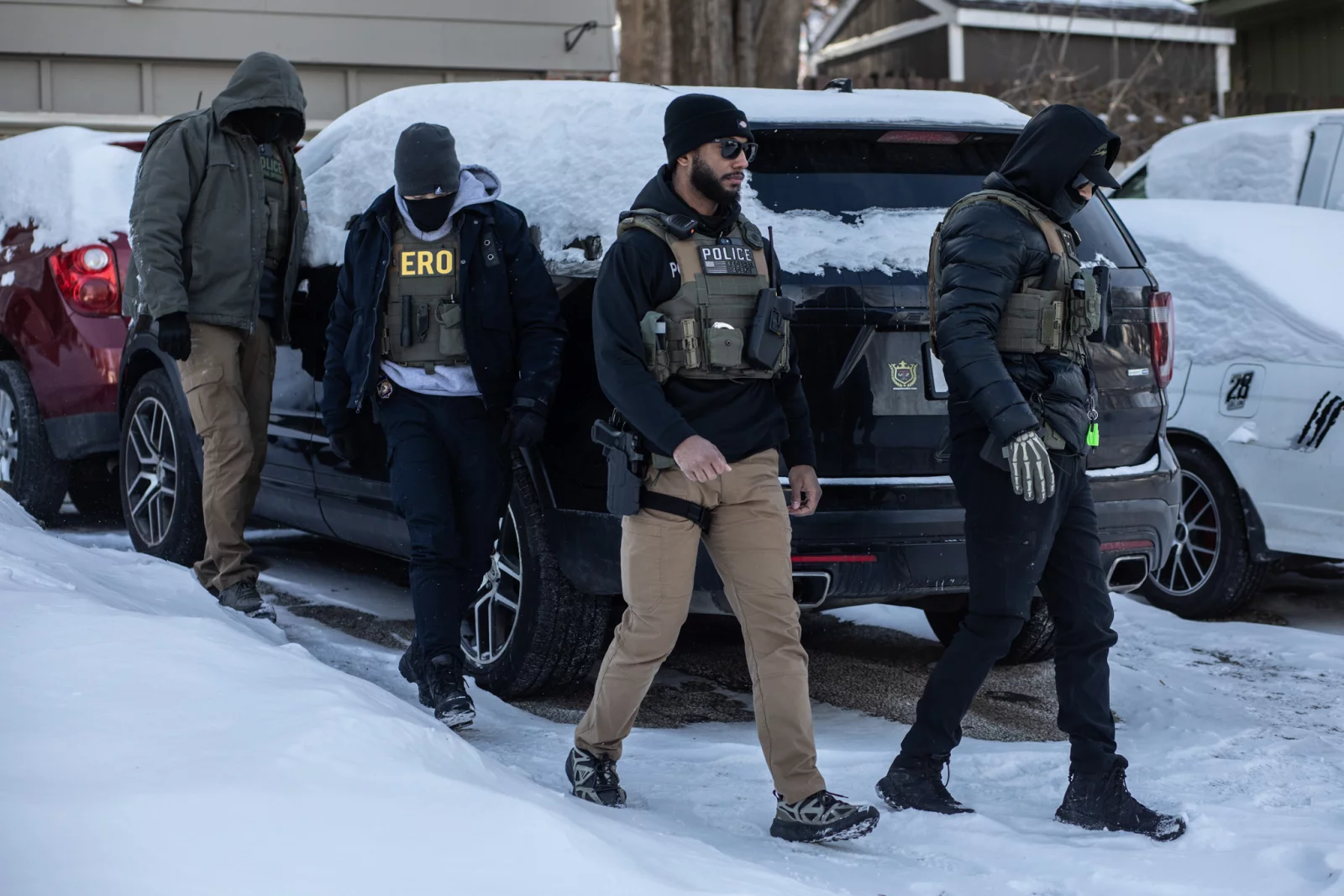
A memo from the Department of Homeland Security allows Immigration and Customs Enforcement officers to enter homes using administrative warrants, bypassing judicial review.
Typically, judicial warrants are required for home searches, providing an independent check on law enforcement actions.
(Photo by: Erin Trieb: NPR)
“It is declaring that the fundamental protections that every court has recognized up to this point just don’t apply to DHS and to immigration stops,” said Emmanuel Mauleón, an associate professor of law at the University of Minnesota.
The policy comes as ICE continues to expand enforcement operations nationwide, with officials citing a need to quickly carry out deportation orders.
Critics argue that using administrative warrants could increase the risk of confrontations between officers and residents, and civil rights groups are calling for greater oversight to ensure the directive does not undermine protections for U.S. citizens or legal residents.
(Source: CNN)
College Sports and Eligibility Rules
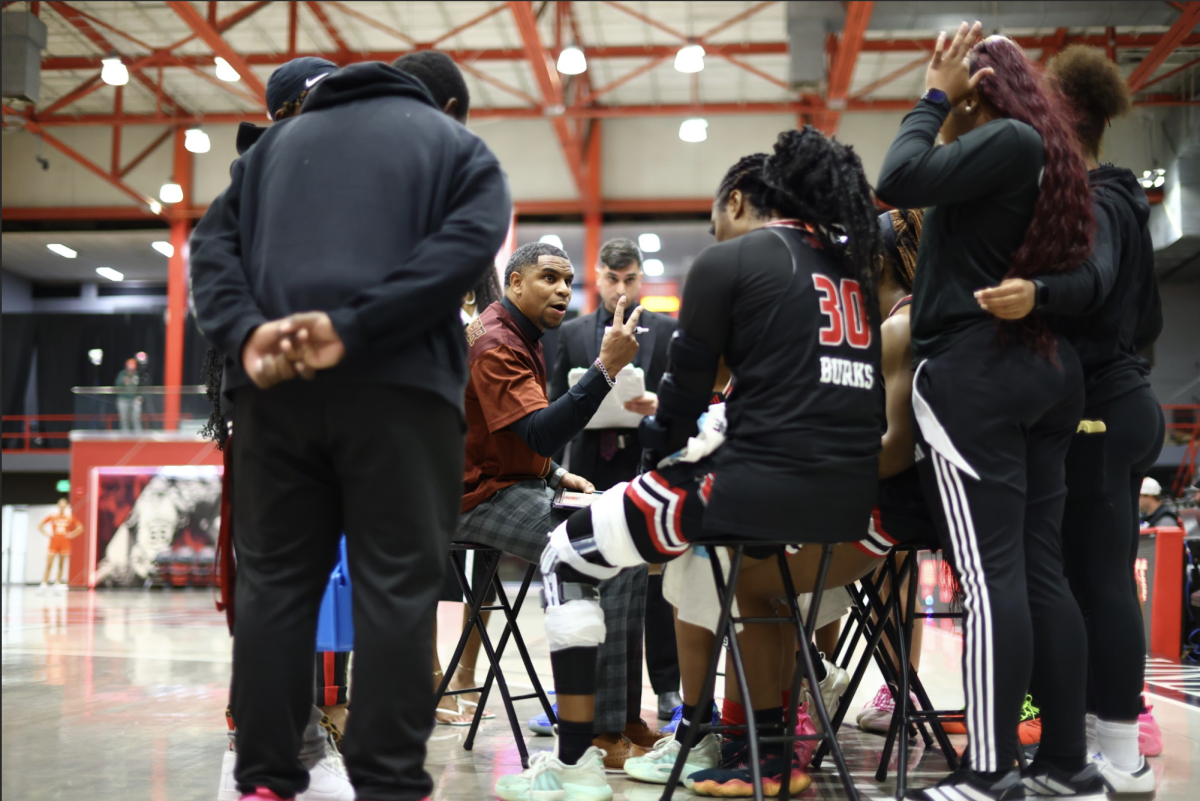
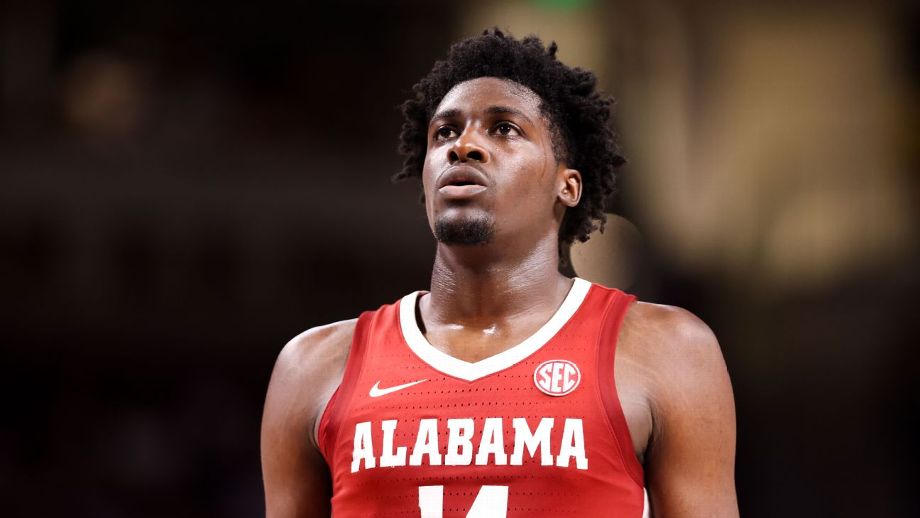
Former professional player Charles Bediako is set to return to Alabama’s basketball team under a temporary restraining order.
Bediako previously signed a two-way contract with the San Antonio Spurs but did not play in the NBA. The order prevents the NCAA from imposing penalties, clearing the way for him to compete despite his professional experience.
Alabama head coach Nate Oats explained the decision: “But on a competitive level, if it’s allowable, and they’re going to be eligible to play, and they’re the better players that you can get, then you probably have to go after them.”
The case highlights ongoing debates over college athletic rules, including eligibility, transfer and how former professional experience intersects with amateur competition.
Observers say the situation reflects broader trends in NCAA sports, such as the increasing influence of financial incentives and agents’ involvement in player decisions.
Some experts have raised concerns that returning professionals could affect competitive balance, giving teams that recruit such players an advantage over programs relying solely on traditional student-athletes.
(Source: CNN)