As grocery prices fluctuate, Nicholls students balance budgets, adjust shopping routines, and turn to campus resources to manage food costs.
Rising prices place a persistent strain on college students already juggling tuition and debt. Even routine shopping trips can feel daunting as students weigh basic needs against limited budgets. To better understand how this financial pressure shapes daily life, I spoke with several Nicholls students about their spending habits and their perspectives on food affordability.
The Campus Snapshot
While many students rely on campus meal plans or live at home, those who shop for themselves face a steep challenge. The average Nicholls student spends about $80 per trip, with shopping habits ranging from twice a week to twice a month. Spending often shifts with schedules, eating patterns, and daily demands. Athletes, for example, typically spend more to meet the nutritional requirements of intense training.
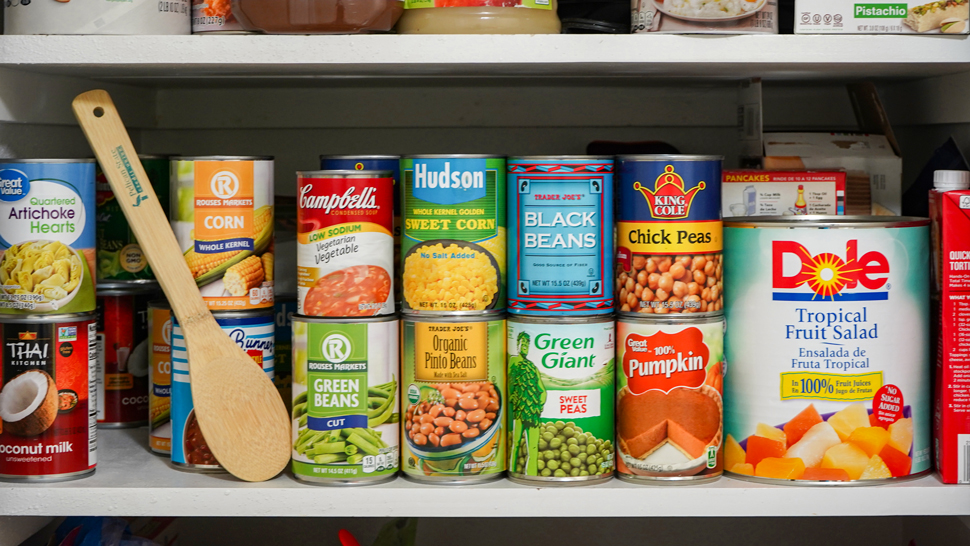
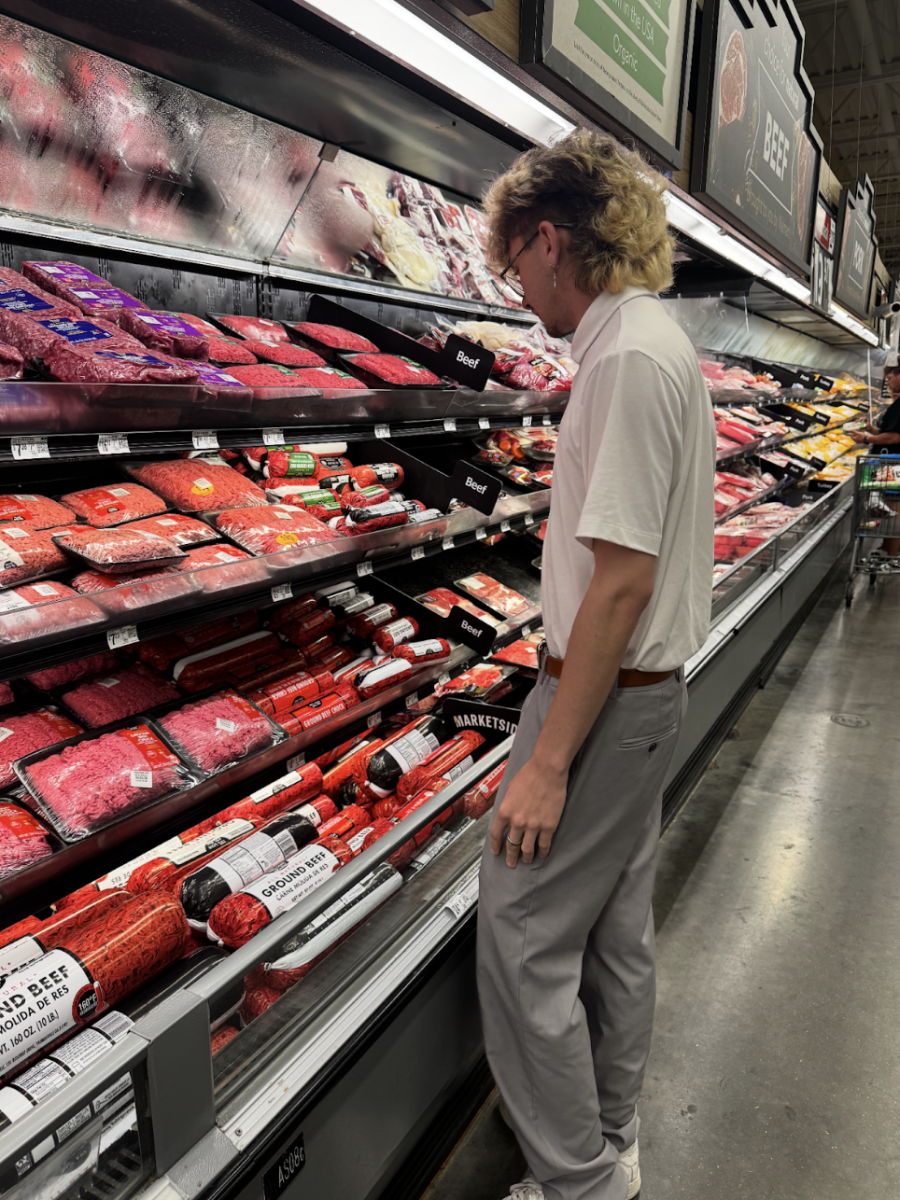
For many students, Walmart is the go-to store. Opinions on its affordability, however, are mixed. Some essentials remain reasonably priced, but overall costs fluctuate. Walking through the aisles, I notice how the same product, packaged differently or sold under another brand, can carry a very different price tag.
Student Insights & Saving Strategies
Some students use strategic shopping to adapt to uncertain costs. Mia Crooks shops only when she needs to, spending $60-$100 per trip. Ziyan Colcer plans ahead, visiting the store once a month with a $50-$100 budget and relying on Walmart’s cheaper Great Value brand to stretch his money.
Other students find themselves on opposite ends of the strategic spectrum. Andrea Tirado typically prefers fresh foods, shopping twice a week for $30-$80 and hunting for sales, while Raymond Johnson buys in bulk, spreading groceries over several weeks—a strategy many of his classmates also follow.
Trying to stick to a budget can be a constant challenge, and many students say they feel the pinch in every aisle. “Bread, milk and chicken per pound is super high, but some other stuff is a little more affordable; everything in general is really high in price,” said Marcus Garcia. Easton Trosclair echoed that sentiment: “I think groceries are affordable for the most part, but the prices are a little ridiculous sometimes.”
For students who struggle to stretch their dollars until the next grocery run, the Colonel Closet provides a valuable lifeline. The closet offers free food, clothing, and other essentials that might otherwise be out of reach. Students can visit throughout the week, select a limited number of items per day, and choose what fits their needs. Several students said they rely on it for basics like milk, which comes at no cost compared with high store prices. I’ve found it just as helpful, picking up multiple items to meet my own needs while navigating the simple, self-guided selection process.
Ultimately, grocery prices determine more than what ends up in the cart. For Nicholls students, they shape daily routines, meals, and the careful budgeting that stretches every dollar to the limit.